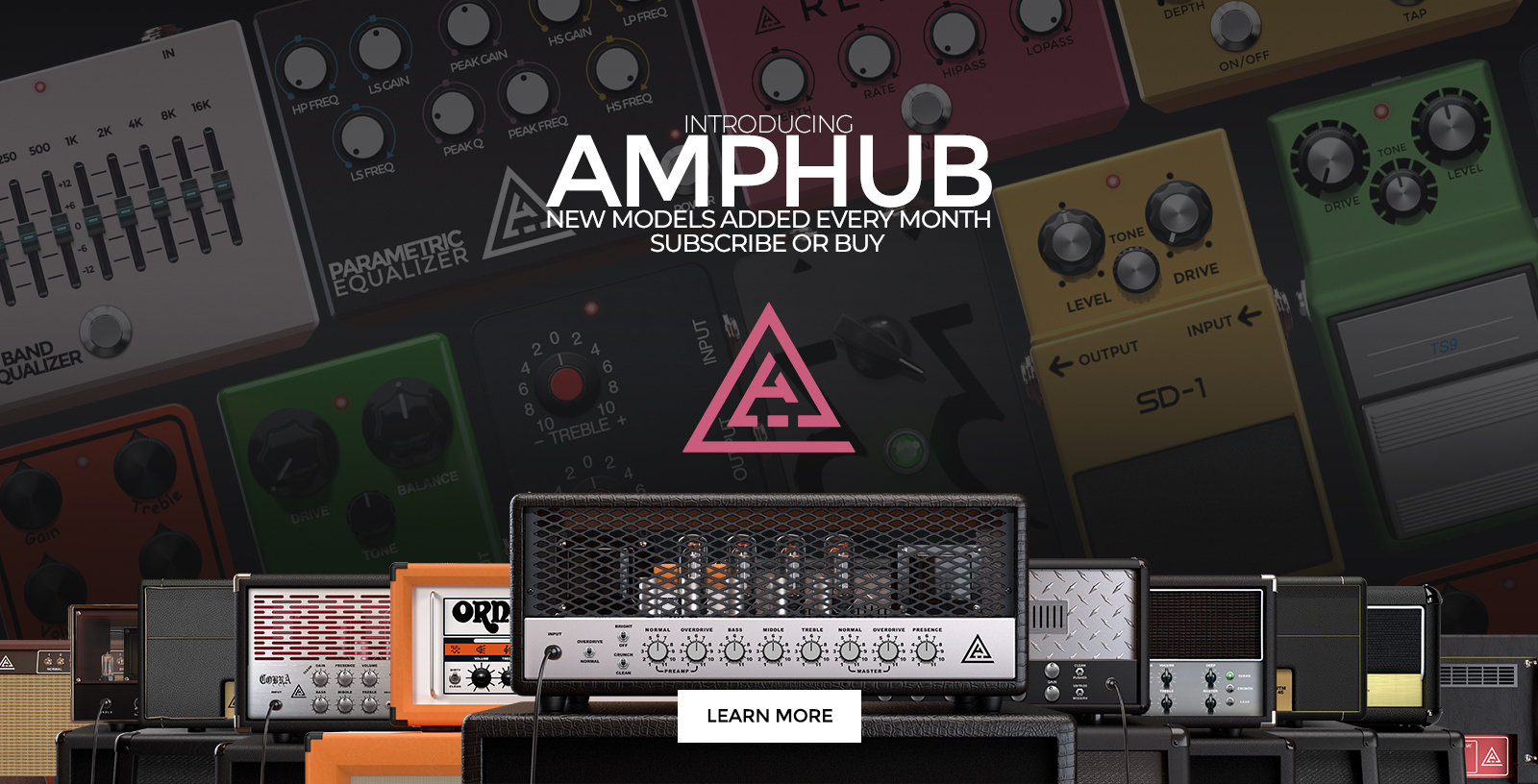
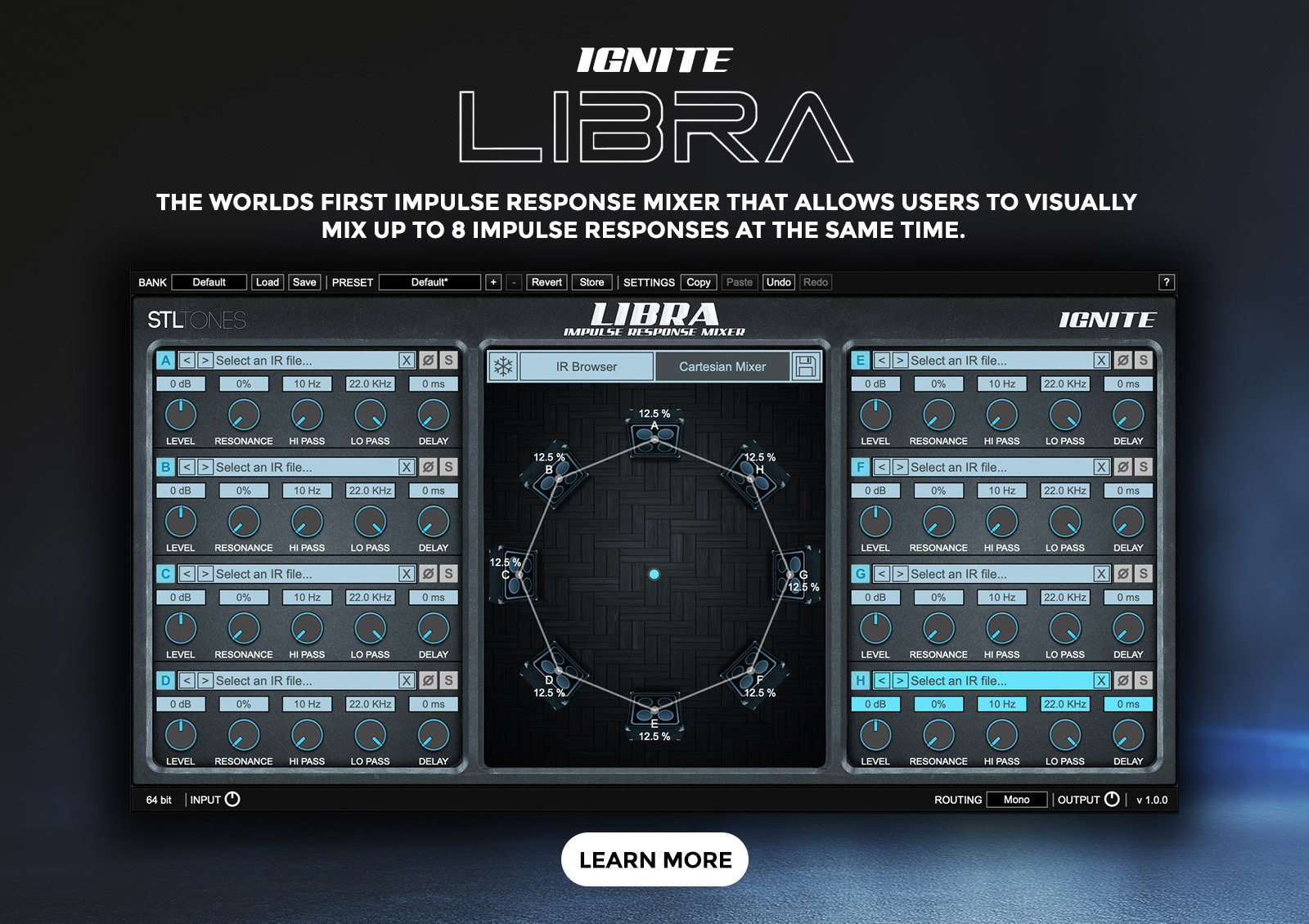
The Ignite Amps project was born in 2006, by the desire of two musicians to come out of the canons of the conventional amplification music market, trying to undermine the need to adapt to "pre-packaged" products. Our approach was simply to start building what we needed.
We've been coding our amp simulations since 2009 and we know a thing or two about how analog modeling works by now. Our plugins are known worldwide and recognized by many as the best out there. Try us: ask us for your custom physical amplifier and we'll provide you with an incredibly accurate software simulation for it before we even start the actual build, so you can try the simulation and feedback us to get to your exact dream amplifier.
SoftwareAfter simulating your custom amp using our state of the art software, we can start the physical build. This is something we do with great pride and passion, taking inspiration from the best Italian engineers and crasftsmen that during the last century created some of what now are the best car brands in the world. Top shelf engineering paired with passionate, dedicated work for the ultimate tone.
HardwareHowever, as a free, instantly accessible tool for quick practice sessions, it is unmatched. It serves as an excellent gateway for casual players to test their rhythm skills before purchasing the full version on Steam or mobile storefronts.
Geometry Dash is a 2D rhythm-based runner. You control a square icon (or a ship, ball, UFO, wave, robot, or spider) that automatically moves forward. You tap, click, or press a key to jump or change gravity. The goal is to navigate obstacles in sync with a beat-dropping soundtrack. One mistake sends you back to the start—a "trial and death" loop that is infuriating yet addictive.
Many developers build the game using canvas-based 2D engines like Phaser or Pixi.js. These frameworks handle sprite rendering, collision detection, and user inputs efficiently, ensuring low latency between a spacebar tap and an on-screen jump. WebGL and Scratch Conversions
A surprising number of GitHub.io ports originate from Scratch, MIT’s visual programming language. Talented creators build incredibly complex Geometry Dash engines inside Scratch, which are then compiled into JavaScript/WebGL using tools like TurboWarp. These compiled projects are then hosted directly on GitHub Pages for optimal performance. Risks, Safety, and Performance Optimization
The GitHub community hasn't just stopped at providing playable games — developers have also created extensive that allow players to modify the game, create tools, and learn game development.
Building a functional version of Geometry Dash that runs smoothly at 60 frames per second inside a browser requires creative engineering. Developers typically rely on a few common frameworks: HTML5 and JavaScript Engines
Some advanced GitHub ports include a functional, stripped-down version of the Level Editor. Players can place blocks, spikes, and portals to design short custom challenges. 3. Customization Options
GitHub.io games for Geometry Dash often appear and disappear within weeks. If you find a working link today, it might be dead tomorrow. This cat-and-mouse game is why you see many redirects and "mirror" links.
Projects like provide a compilation of utilities for making impossible levels in Geometry Dash, focused on version 2.1 of the game. There's also the Geometry Dash VN SDK , a Vietnamese software development kit that works with Deno and browsers, enabling developers to create their own Geometry Dash-related projects. For Java developers, the jdash API provides a full Geometry Dash API interface, making it accessible to the extensive Java community.
He merged it.
Browsers must utilize your computer's GPU to process the fast-moving obstacles. Open your browser settings (e.g., Google Chrome). Search for . Toggle "Use graphics acceleration when available" to ON. Relaunch the browser. Optimize Monitor Refresh Rates
When developers port or recreate Geometry Dash using web-friendly languages like HTML5, JavaScript, and WebGL, they often host their projects on GitHub Pages. Users searching for "Geometry Dash GitHub.io" are looking for these free, unblocked, browser-compatible versions of the game. Why Players Seek Out GitHub.io Versions
However, as a free, instantly accessible tool for quick practice sessions, it is unmatched. It serves as an excellent gateway for casual players to test their rhythm skills before purchasing the full version on Steam or mobile storefronts.
Geometry Dash is a 2D rhythm-based runner. You control a square icon (or a ship, ball, UFO, wave, robot, or spider) that automatically moves forward. You tap, click, or press a key to jump or change gravity. The goal is to navigate obstacles in sync with a beat-dropping soundtrack. One mistake sends you back to the start—a "trial and death" loop that is infuriating yet addictive.
Many developers build the game using canvas-based 2D engines like Phaser or Pixi.js. These frameworks handle sprite rendering, collision detection, and user inputs efficiently, ensuring low latency between a spacebar tap and an on-screen jump. WebGL and Scratch Conversions
A surprising number of GitHub.io ports originate from Scratch, MIT’s visual programming language. Talented creators build incredibly complex Geometry Dash engines inside Scratch, which are then compiled into JavaScript/WebGL using tools like TurboWarp. These compiled projects are then hosted directly on GitHub Pages for optimal performance. Risks, Safety, and Performance Optimization geometry dash githubio
The GitHub community hasn't just stopped at providing playable games — developers have also created extensive that allow players to modify the game, create tools, and learn game development.
Building a functional version of Geometry Dash that runs smoothly at 60 frames per second inside a browser requires creative engineering. Developers typically rely on a few common frameworks: HTML5 and JavaScript Engines
Some advanced GitHub ports include a functional, stripped-down version of the Level Editor. Players can place blocks, spikes, and portals to design short custom challenges. 3. Customization Options However, as a free, instantly accessible tool for
GitHub.io games for Geometry Dash often appear and disappear within weeks. If you find a working link today, it might be dead tomorrow. This cat-and-mouse game is why you see many redirects and "mirror" links.
Projects like provide a compilation of utilities for making impossible levels in Geometry Dash, focused on version 2.1 of the game. There's also the Geometry Dash VN SDK , a Vietnamese software development kit that works with Deno and browsers, enabling developers to create their own Geometry Dash-related projects. For Java developers, the jdash API provides a full Geometry Dash API interface, making it accessible to the extensive Java community.
He merged it.
Browsers must utilize your computer's GPU to process the fast-moving obstacles. Open your browser settings (e.g., Google Chrome). Search for . Toggle "Use graphics acceleration when available" to ON. Relaunch the browser. Optimize Monitor Refresh Rates
When developers port or recreate Geometry Dash using web-friendly languages like HTML5, JavaScript, and WebGL, they often host their projects on GitHub Pages. Users searching for "Geometry Dash GitHub.io" are looking for these free, unblocked, browser-compatible versions of the game. Why Players Seek Out GitHub.io Versions