Simultaneously, Japan is embracing new digital horizons. Virtual YouTubers (VTubers)—digital avatars controlled by real-time motion-capture performers—have exploded out of Japan to become a multi-million-dollar global industry. This showcases Japan's enduring talent for inventing entirely new categories of entertainment.
Japan boasts one of the world's most respected cinematic histories. Master filmmaker Akira Kurosawa ( Seven Samurai , Rashomon ) fundamentally changed Western filmmaking, directly inspiring movies like Star Wars . In horror, the "J-Horror" wave of the late 1990s and early 2000s ( The Ring , The Grudge ) redefined psychological terror globally. Domestic TV and Variety Shows
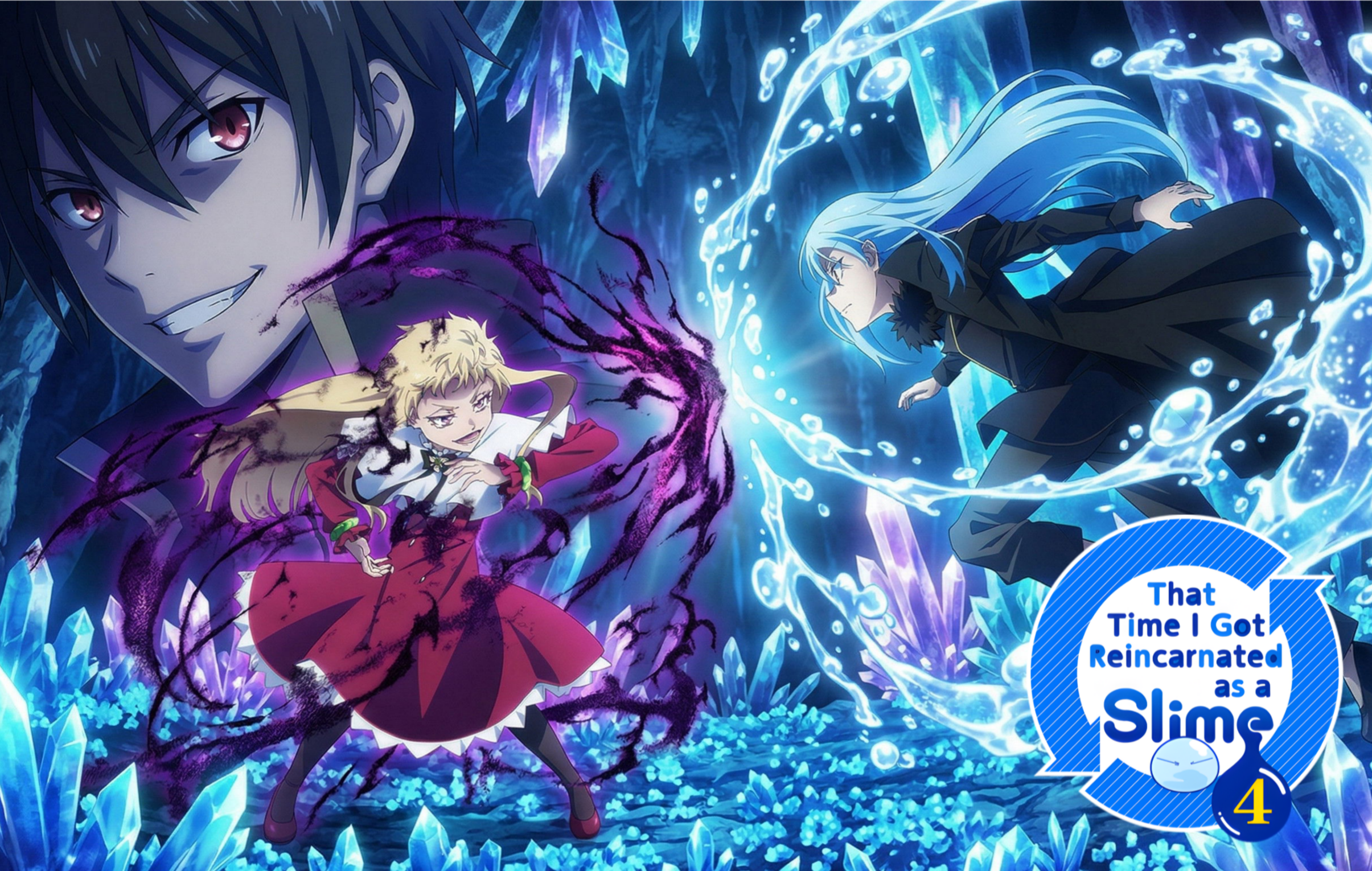
Anime and manga form the bedrock of Japan's soft power. What began as localized comic books and hand-drawn animations has evolved into a multi-billion-dollar global juggernaut.
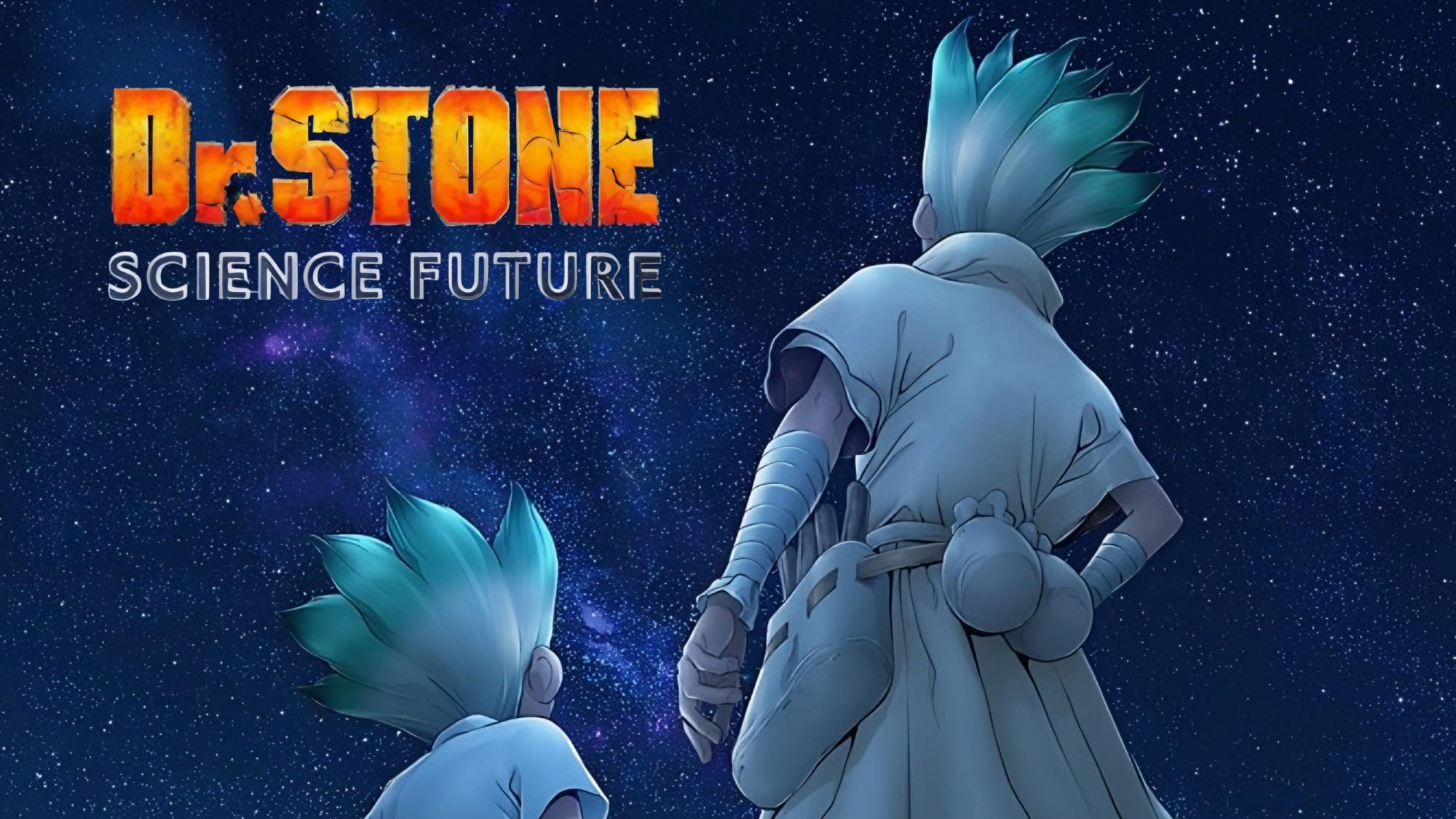
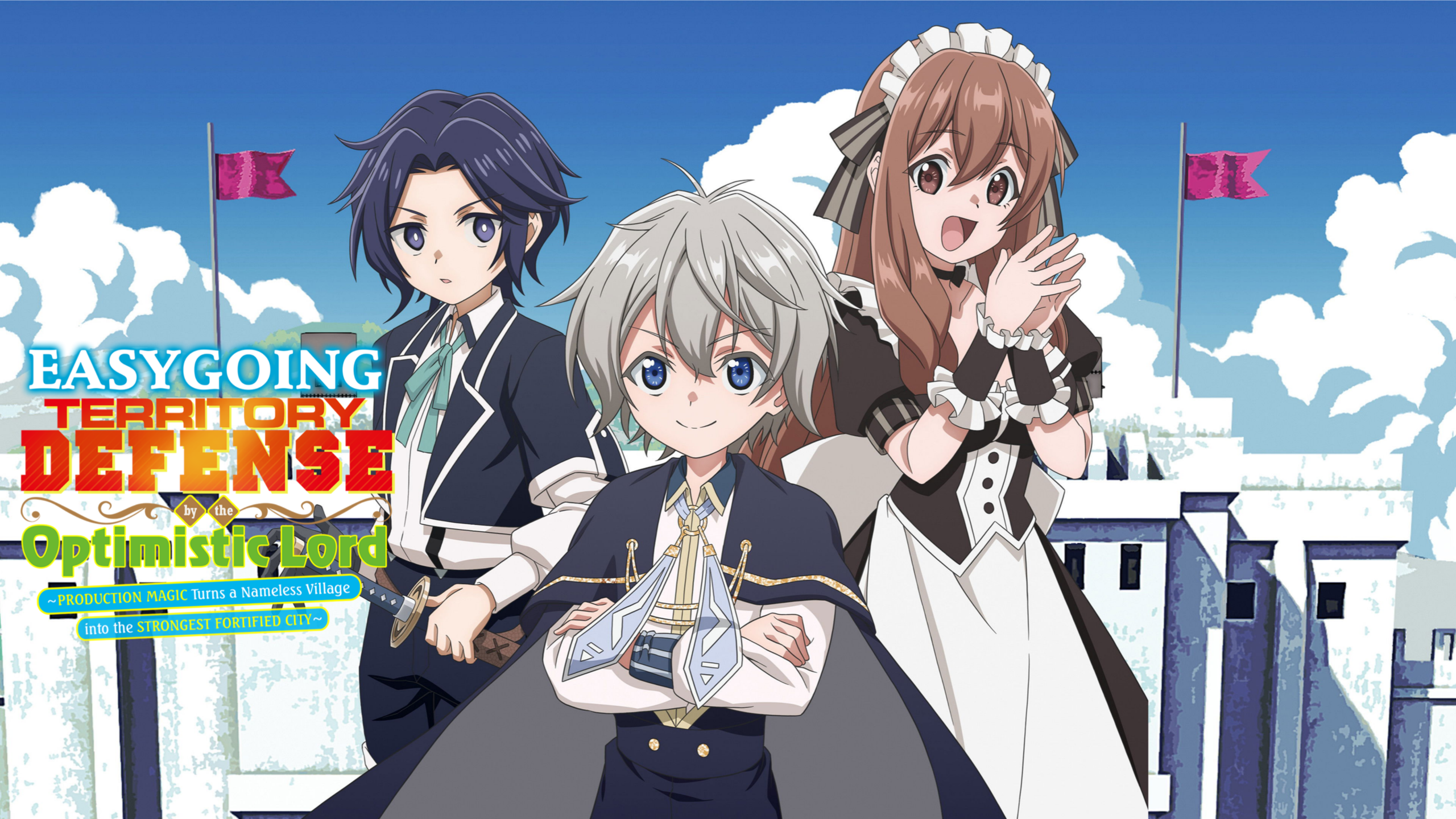
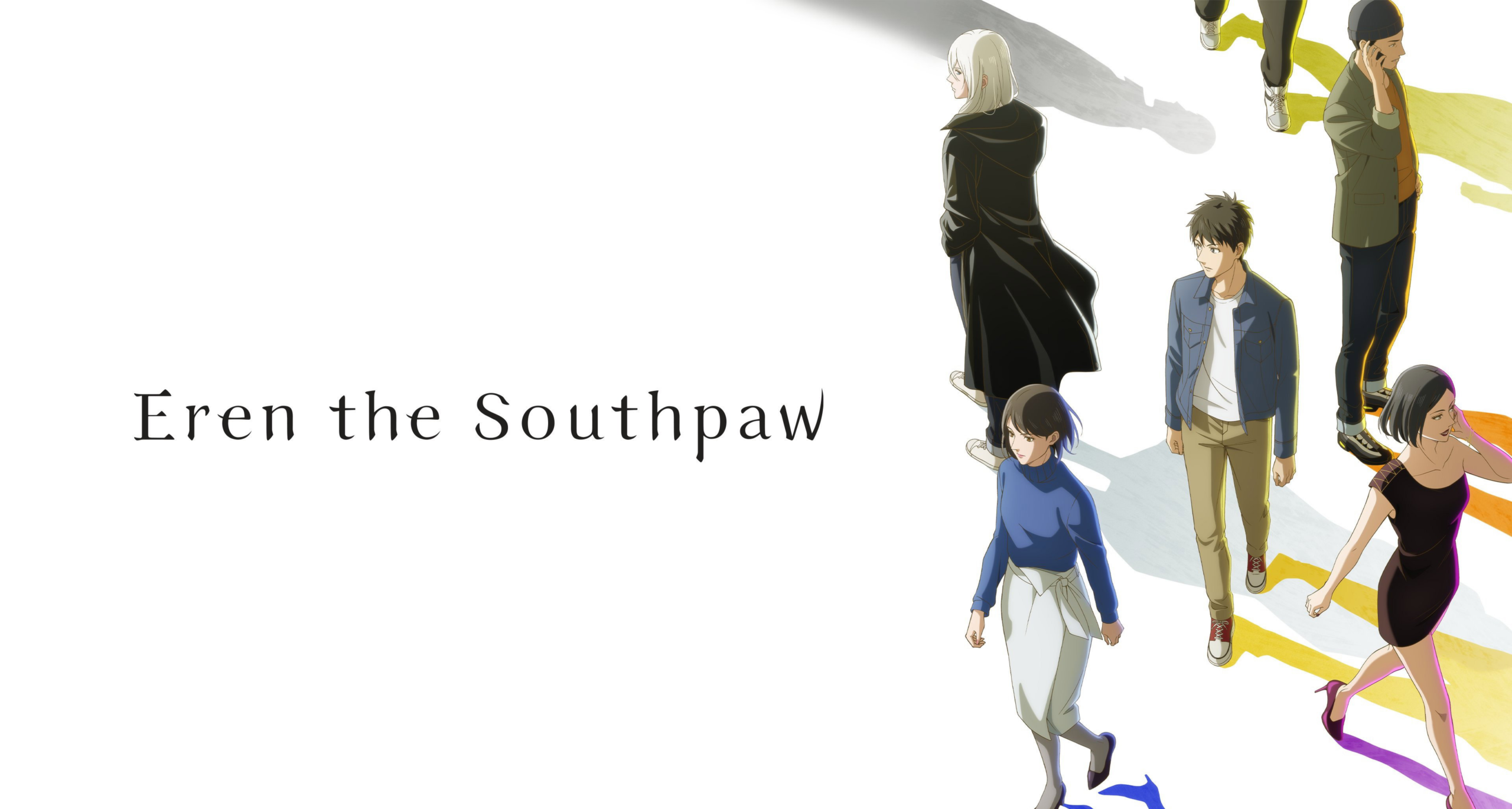
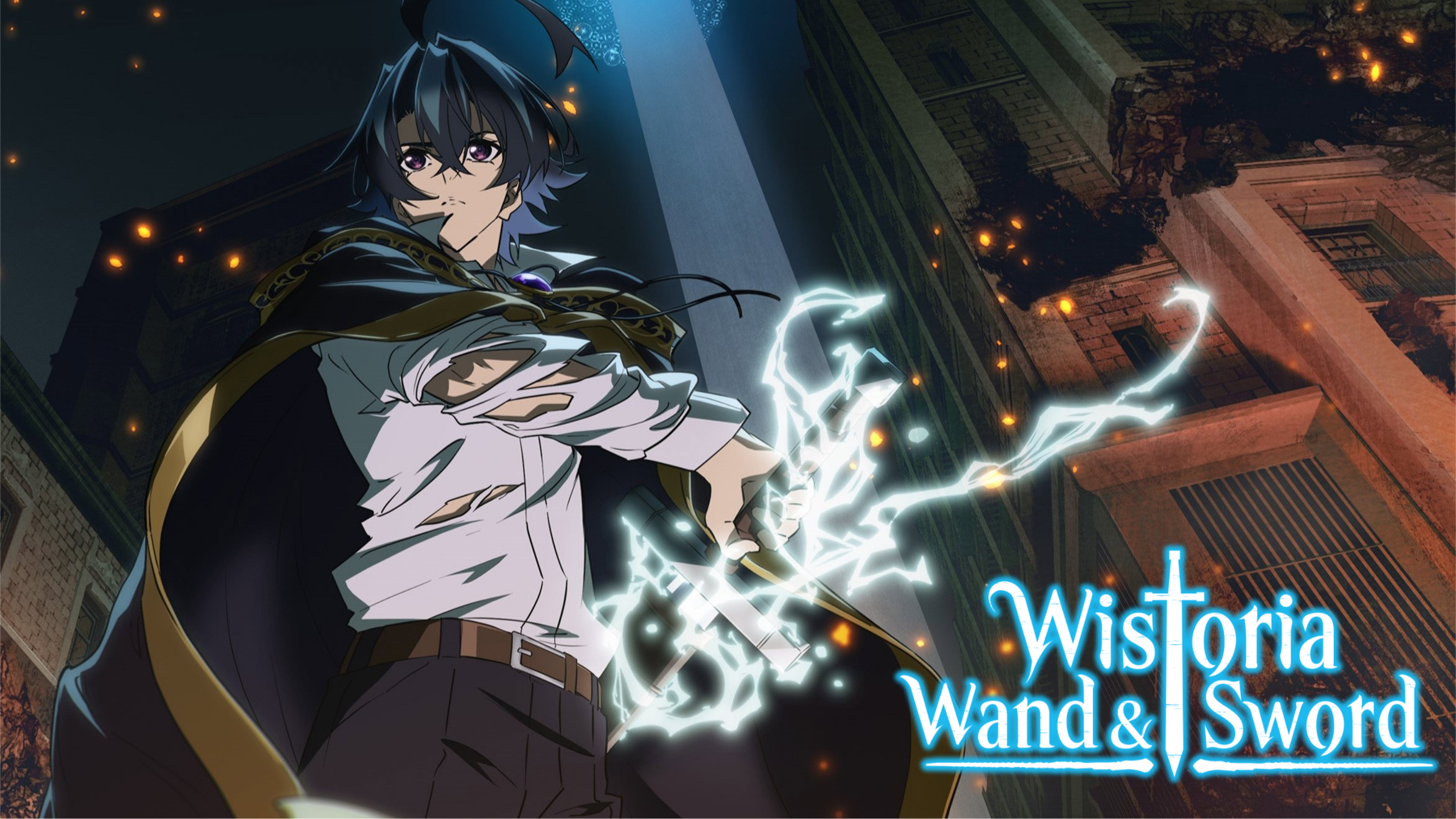
This vast ecosystem feeds directly into anime. The industry utilizes the Media Mix strategy, where a successful manga is quickly adapted into an anime, video game, light novel, and merchandise line. Driven by global streaming platforms, anime has transitioned from a niche subculture into mainstream global entertainment, with franchises like Demon Slayer and One Piece breaking international box office records. 2. Gaming: The Interactive Pioneers
While recorded music revenue declines globally, Japan remains the second-largest music market due to physical sales (CDs are still bought) and live concerts. The "theater boom" has also seen 2.5D musicals (anime/manga adapted for live stage) sell out arenas. These productions blend Kabuki’s theatricality with modern LED screens.
Even the concept of "Kawaii" (cuteness) has deep roots. What started as a subculture in the 1970s with Hello Kitty has become a national aesthetic, used by everyone from local police forces to major banks to appear more approachable and harmonious—a key tenet of Japanese society. Challenges and the Future
In Western entertainment, breakout stars are celebrated. In Japan, even the biggest celebrities are often part of a group — boy bands like Arashi, idol collectives like AKB48, or talent agencies like Yoshimoto Kogyo (comedy). Individuality is expressed within group harmony. This reflects the cultural value of wa — avoiding conflict and prioritizing the collective over the ego. Even solo artists thank their “team” relentlessly.
The Japanese entertainment industry operates differently from Hollywood or European markets in several distinct ways:
: Concepts like Wabi-Sabi (imperfection) and Mono no Aware (the transience of things) deeply inform narrative themes.
Japanese entertainment is deeply tied to the country's cultural history. Modern media often draws directly from spiritual, artistic, and social traditions.
The term "patched" in the keyword suggests that the content has been modified or altered in some way. This could refer to edited or remastered versions of JAV sub indo content, which may be in high demand among certain audiences.






Leave a Reply