La Sposa Abusata Mario Salieri Xxx Italian D Portable ❲1000+ Updated❳
Mercato is the new era of the ordering systems.
Your
suppliers are one click away!

Mercato is the new era of the ordering systems.
Your
suppliers are one click away!
interact with your vendors in a seamless manner anytime, freely.
create and follow up merchandise orders and offers simultaneously with each of your vendor companies
find the product you need, through MERCATO’s advanced search engine with product name and barcode
introduce your clients to all your products and brands represented in strong and unbiased manner
Get recognized and build your store

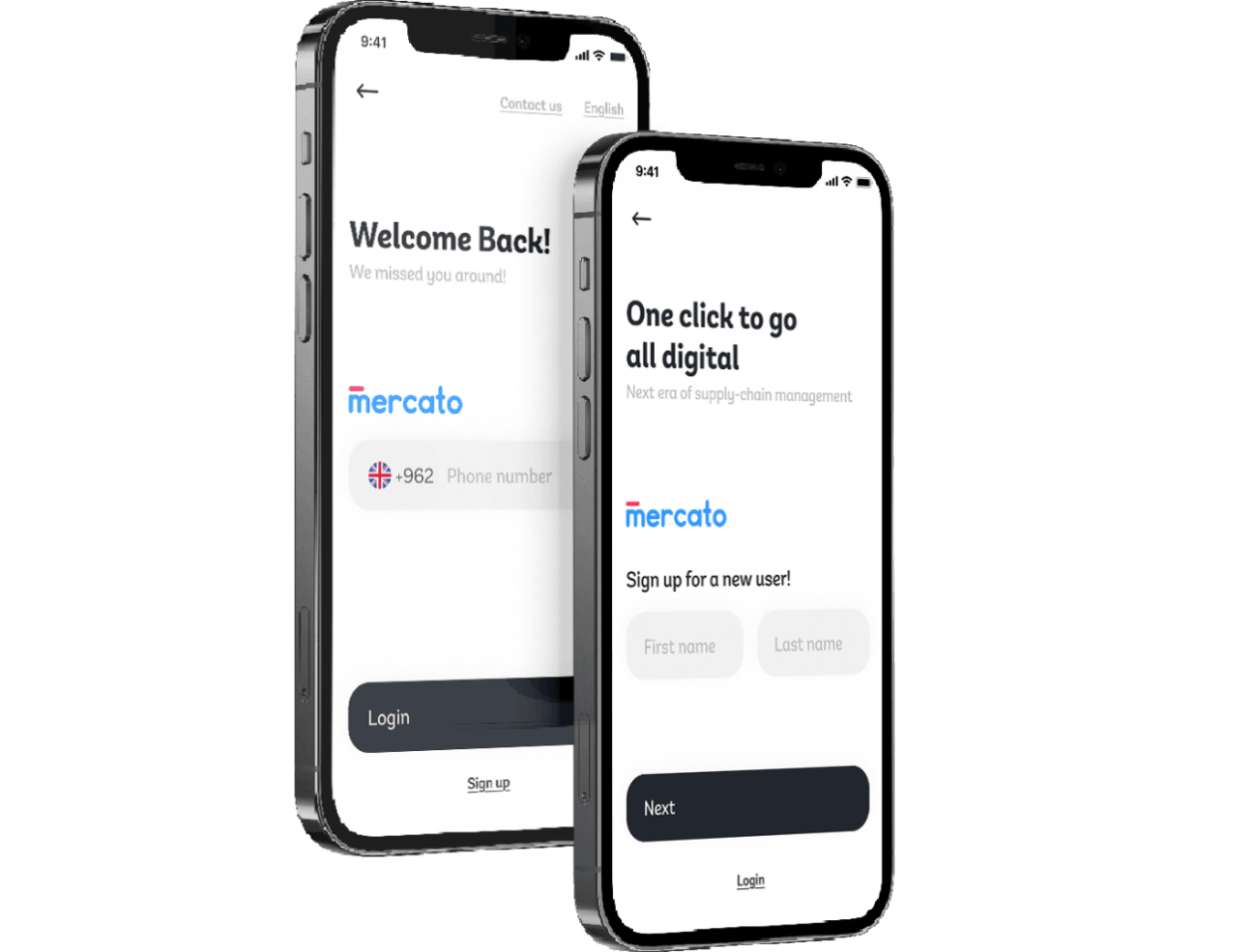
introduce your clients to all your products and brands represented in the same strong and unbiased manner, which is far more efficient than being introduced by the sales reps.

Be able to find the product you are looking for, through mercato’s advanced search engine equipped with filters such as product name and barcode.
The portrayal of abused brides in entertainment content and popular media has become a pervasive and concerning phenomenon. The representation of these narratives can have a significant impact on societal attitudes, influencing how audiences perceive and respond to domestic violence. This paper will critically examine the depiction of abused brides in entertainment content and popular media, exploring the implications of these representations on cultural attitudes and the potential consequences for individuals and society.
Independent cinema frequently uses the abused bride archetype to explore the intersection of gender abuse with immigration and economic displacement. For instance, films focusing on migrant brides or cross-cultural arranged marriages highlight how legal precarity (such as visas tied to a spouse) compounds domestic abuse, making the entertainment content a sharp tool for real-world legal and social advocacy. Digital Media, Fandoms, and the Romanticization Debate
From a commercial standpoint, the abused bride is a perfect storm of emotional engagement. She evokes , suspense , and moral outrage —three pillars of bingeable content. Showrunners know that audiences will stay glued to the screen, waiting for either rescue ("the white knight" trope) or revenge ("the furious bride" trope à la Kill Bill ). la sposa abusata mario salieri xxx italian d portable
Historically, global cinema has used the young bride to examine broader societal corruption. For example, Italian neorealism and subsequent mid-century European cinema frequently leveraged the vulnerability of forced or abusive marriages to critique patriarchal legal frameworks (such as historical honor killing laws or the lack of divorce rights). In modern television, international streaming platforms have brought localized stories of marital subjugation to global audiences, highlighting that the core mechanics of domestic control transcend geographical borders. True Crime and Investigative Journalism
The used to analyze the male gaze in domestic abuse cinema. Share public link The portrayal of abused brides in entertainment content
This public link is valid for 7 days and shares a thread, including any personal information you added. This link or copies made by others cannot be deleted. If you share with third parties, their policies apply. Can’t copy the link right now. Try again later.
The continued popularity of content centered on the mistreated bride raises significant questions about audience psychology. Why does entertainment media return to this painful theme so consistently? She evokes , suspense , and moral outrage
Graphic depictions of marital abuse can act as severe psychological triggers for survivors. The entertainment industry has increasingly adopted the use of content warnings and trigger alerts. However, the underlying question remains: Is the violence narrative necessary for character development, or is it merely shock value designed to maximize viewer engagement? The Danger of the "Perfect Victim" Myth
Historically and globally, marriage has often represented a point of legal, financial, and physical vulnerability for women. Consuming stories of la sposa abusata allows audiences to confront and process real-world anxieties regarding systemic gender inequality and domestic safety within a controlled, safe environment.

© Copyright 2022 Mercato - All Rights Reserved