
Buy now

Mallu Aunty In Saree Mmswmv Hot ((exclusive)) 〈TRENDING • 2027〉

The saree is an integral part of Indian culture, particularly in Kerala, where it's an iconic symbol of tradition and femininity. A saree is more than just a garment; it's an expression of elegance, poise, and sophistication. The way a saree drapes around the body, accentuating the wearer's curves, is a testament to its timeless appeal.

Malayalam cinema stands as a powerful testament to how art can mirror, challenge, and elevate regional culture. By resisting total commercialization and staying committed to authentic human stories, Mollywood has preserved the specific identity of Kerala while speaking a universal language of cinema. As it continues to evolve in the streaming era, expanding its footprint across global audiences, it retains its core philosophy: that the most local stories are often the most universal. To explore specific dimensions of this topic,

No discussion of Malayalam culture is complete without the "Gulf Boom." Starting in the 1970s, millions of Malayalis migrated to the Middle East for employment. This massive demographic shift drastically altered Kerala's economy and its cinema.

Mallu Aunty refers to a middle-aged woman from Kerala, India, often depicted in traditional attire. The term "Aunty" is a sign of respect and affection, implying a sense of familiarity and warmth. In Indian culture, the concept of "Aunty" or "Tayi" (in Malayalam) is deeply ingrained, symbolizing a maternal figure or an elder family member.

The image of Mallu Aunty in a saree has gained significant traction in popular culture, particularly in the realm of Indian entertainment. Movies, TV shows, and web series often feature Mallu Aunty characters, showcasing her as a charming, witty, and endearing figure.

In an era of globalized, formulaic content, Malayalam cinema remains stubbornly local —speaking in specific dialects, obsessed with specific fish curries, and anxious about specific loan sharks. And in that specificity, it achieves the universal. It tells the world: To see the human condition, look not at the metropolis, but at the men playing checkers under a rubber tree in the Kottayam rain.

Directors like Dileesh Pothan ( Maheshinte Prathikaaram , Thondimuthalum Driksakshiyum ), Lijo Jose Pellissery ( Angamaly Diaries , Jallikattu ), and Jeethu Joseph ( Drishyam ) brought a raw, unvarnished aesthetic to the screen. The focus shifted to ordinary individuals, specific regional dialects, and the subtle textures of rural and semi-urban Kerala life. This era democratized the industry, making way for ensemble casts, unconventional protagonists, and stories where the geography itself acts as a central character. Confronting Hegemonies: Gender and Caste Realities


Features

Move People and Connect the City

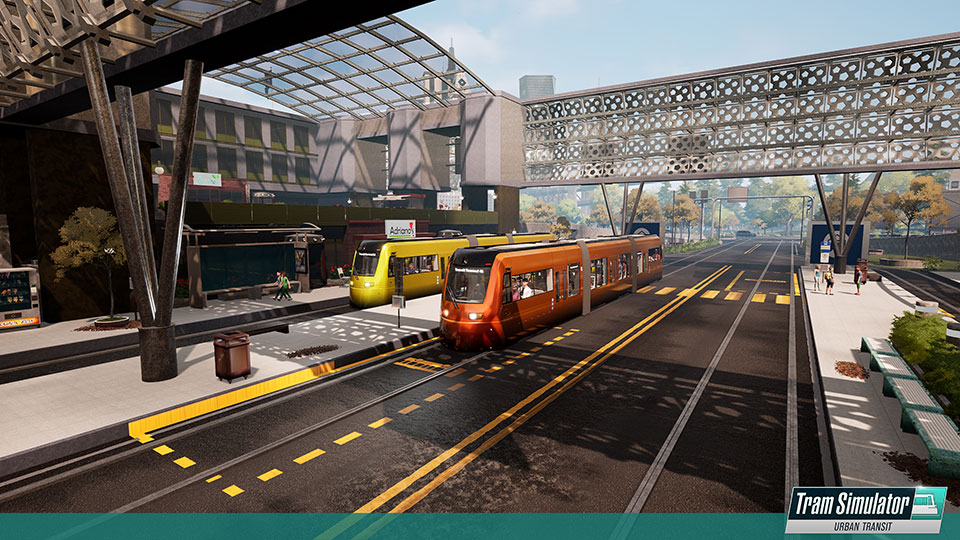
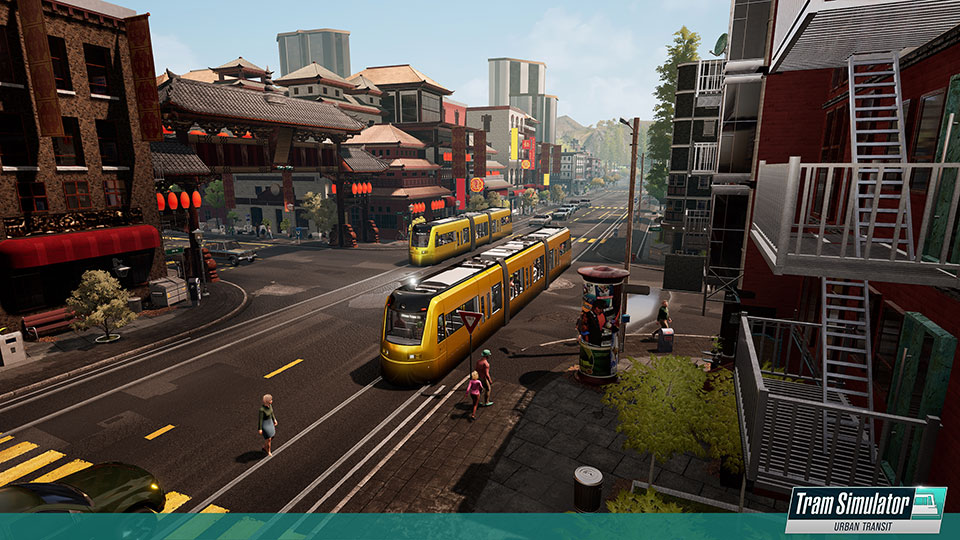
Transport passengers through Angel Shores and drop them off at different stations. Follow traffic rules and steer your tram through the lively city.

Move people and connect the city

Unique Tram Controls

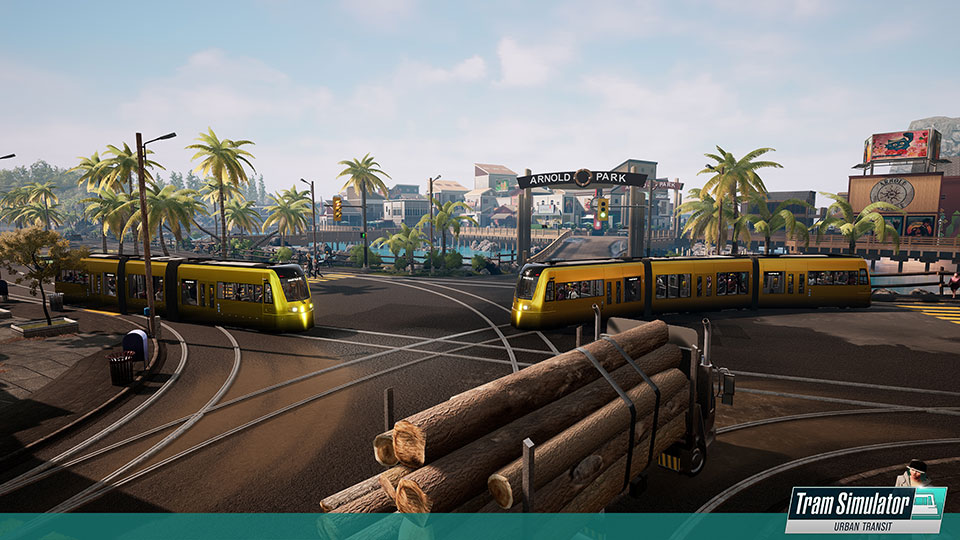
Each tram possesses a distinct driving feel, making every ride an unique experience. Learn the ropes in the "Driving School" tutorial.

Unique tram controls

Manage your Company

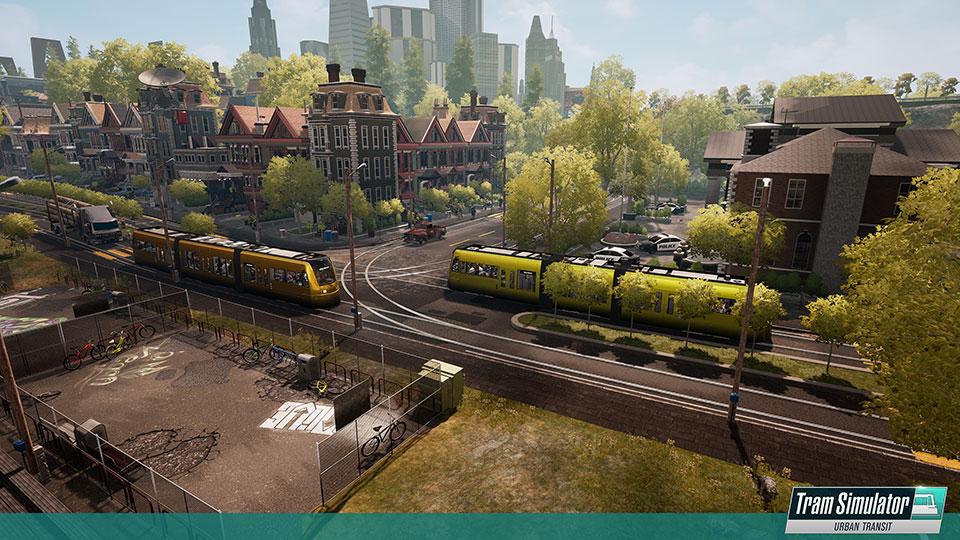
Create timetables, take care of new stops and the rail network. Upgrade and expand your fleet.

Manage your company

Different Game Modes

Story, career and sandbox with multiplayer option for all three modes.

Different game modes

Cross-Platform Multiplayer

Connect with friends via PC cross-play (Steam & Epic Games Store) and console cross-gen support (PS5™ with PS4™ / Xbox Series X|S and Xbox One).

Cross-Platform multiplayer

Trailer

Mallu Aunty In Saree Mmswmv Hot ((exclusive)) 〈TRENDING • 2027〉

The saree is an integral part of Indian culture, particularly in Kerala, where it's an iconic symbol of tradition and femininity. A saree is more than just a garment; it's an expression of elegance, poise, and sophistication. The way a saree drapes around the body, accentuating the wearer's curves, is a testament to its timeless appeal.

Malayalam cinema stands as a powerful testament to how art can mirror, challenge, and elevate regional culture. By resisting total commercialization and staying committed to authentic human stories, Mollywood has preserved the specific identity of Kerala while speaking a universal language of cinema. As it continues to evolve in the streaming era, expanding its footprint across global audiences, it retains its core philosophy: that the most local stories are often the most universal. To explore specific dimensions of this topic, mallu aunty in saree mmswmv hot

No discussion of Malayalam culture is complete without the "Gulf Boom." Starting in the 1970s, millions of Malayalis migrated to the Middle East for employment. This massive demographic shift drastically altered Kerala's economy and its cinema. The saree is an integral part of Indian

Mallu Aunty refers to a middle-aged woman from Kerala, India, often depicted in traditional attire. The term "Aunty" is a sign of respect and affection, implying a sense of familiarity and warmth. In Indian culture, the concept of "Aunty" or "Tayi" (in Malayalam) is deeply ingrained, symbolizing a maternal figure or an elder family member. Malayalam cinema stands as a powerful testament to

The image of Mallu Aunty in a saree has gained significant traction in popular culture, particularly in the realm of Indian entertainment. Movies, TV shows, and web series often feature Mallu Aunty characters, showcasing her as a charming, witty, and endearing figure.

In an era of globalized, formulaic content, Malayalam cinema remains stubbornly local —speaking in specific dialects, obsessed with specific fish curries, and anxious about specific loan sharks. And in that specificity, it achieves the universal. It tells the world: To see the human condition, look not at the metropolis, but at the men playing checkers under a rubber tree in the Kottayam rain.

Directors like Dileesh Pothan ( Maheshinte Prathikaaram , Thondimuthalum Driksakshiyum ), Lijo Jose Pellissery ( Angamaly Diaries , Jallikattu ), and Jeethu Joseph ( Drishyam ) brought a raw, unvarnished aesthetic to the screen. The focus shifted to ordinary individuals, specific regional dialects, and the subtle textures of rural and semi-urban Kerala life. This era democratized the industry, making way for ensemble casts, unconventional protagonists, and stories where the geography itself acts as a central character. Confronting Hegemonies: Gender and Caste Realities

Buy Now


Pre-Order Tram Simulator Urban Transit on Steam now Wishlist Tram Simulator Urban Transit on PlayStation Store Wishlist Tram Simulator Urban Transit on Microsoft Store Wishlist Tram Simulator Urban Transit on Epic Games Store

Newsletter

Subscribe to our newsletter to get the latest news of Tram Simulator Urban Transit right in your inbox. Please note that you have to confirm your subscription before receiving our newsletter.

I want to unsubscribe my email address...