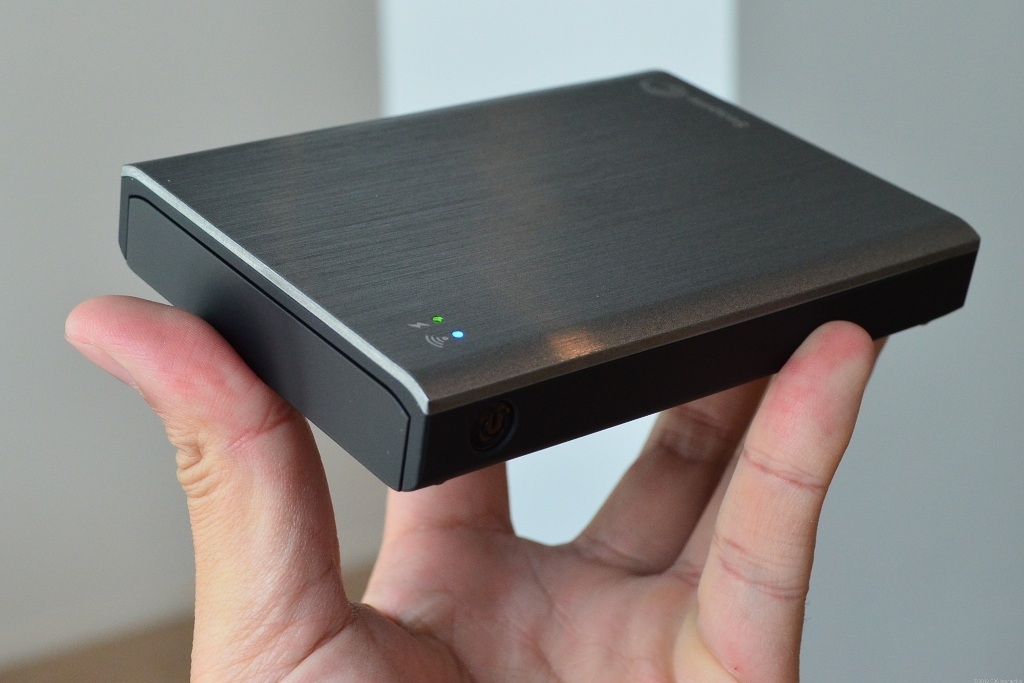

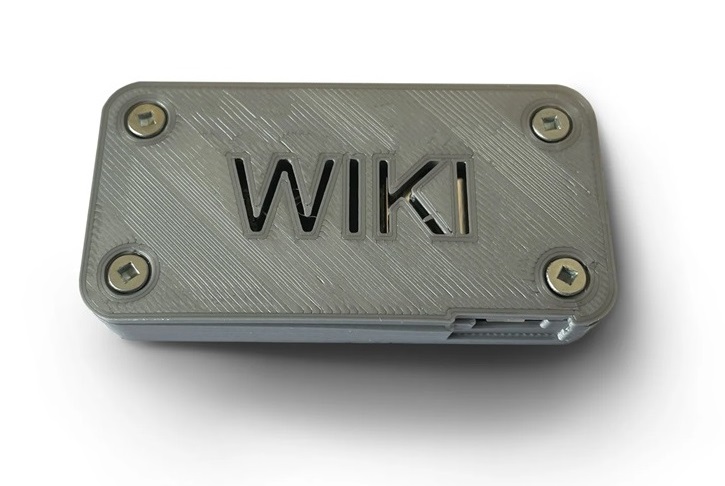
Internet-in-a-Box “learning hotspots” are used in dozens of countries, to give everyone a chance, e.g. in remote mountain villages in India.
It works without internet — like a community fountain, but for the mind — wirelessly serving anyone nearby with a smartphone, tablet or laptop.
Now you too can put the internet in a box and customize it with the very best free content for your school, clinic or family!
Blockchain technology and decentralized platforms offer new models for intellectual property ownership. Through smart contracts, creators can manage digital rights, automate royalty distribution, and co-own media franchises directly with their fan communities. Conclusion
Popular media is becoming binary. On one side, there are $300 million blockbuster superhero movies designed for every quadrant of humanity. On the other, there are $5 million horror movies or indie dramas that live on A24. The $60 million romantic comedy or adult drama? Extinct in theaters—it now lives on Netflix, buried in the algorithm.
Modern entertainment doesn't stop when the credits roll. We are living in the age of the and Transmedia Storytelling . A popular media franchise today often spans across: Feature Films Limited Series Video Games Podcasts and AR Experiences tamilxxxtopmanaiviyaioothuvinthai free
The dangers of this evolution are real. The "attention economy" has turned our leisure time into a battleground. Popular media is increasingly designed to be addictive rather than fulfilling. The constant dopamine hits of a TikTok scroll or a "next episode" autoplay can lead to passive consumption, where we watch content not because we love it, but because we are afraid of missing out (FOMO).
The intersection of emerging technologies suggests that entertainment content will become increasingly immersive, interactive, and automated. Synthetic Media and AI Generation On one side, there are $300 million blockbuster
Every piece of entertainment content today serves one master: (from subscription fees or commercials). But the ground is shifting.
[Content Creation] ──> [Algorithmic Distribution] ──> [Audience Engagement] ^ │ └───────────────── Data Feedback Loop ───────────────┘ Monetization Models Extinct in theaters—it now lives on Netflix, buried
For decades, media consumption was a passive, collective experience. Television networks, radio stations, and major newspapers acted as centralized gatekeepers. Audiences consumed the same prime-time broadcasts, creating a highly unified cultural lexicon.
The rise of the internet and cable television shattered this uniformity. Audiences fractured into niche communities. Content choice expanded exponentially, allowing individuals to seek out specialized material that aligned precisely with their specific interests.
Popular media, including movies, TV shows, and music, have a profound impact on our culture. They reflect our values, shape our perceptions, and influence our behaviors. For example: