Punya app hadits?
Jangan sampai app hadits hilang dari gawai kita. Sumber hukum setelah Alquran.




Bela Rasulullah ﷺ dengan jaga sunnah beliau. Semoga Allah kumpulkan kita bersama beliau ﷺ kelak. Jadilah #PejuangHadits.
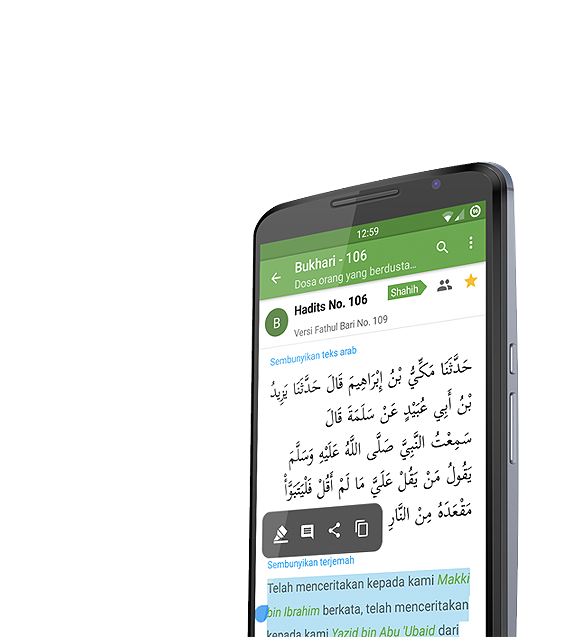
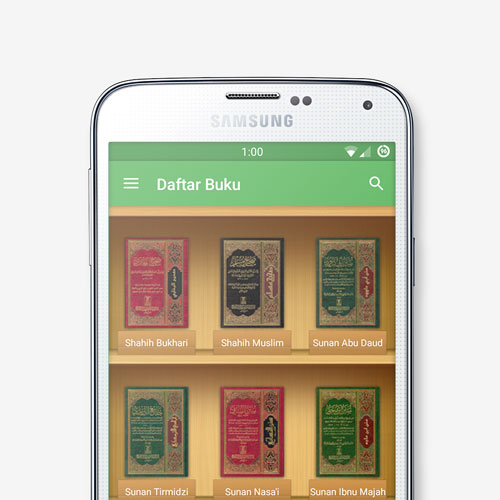
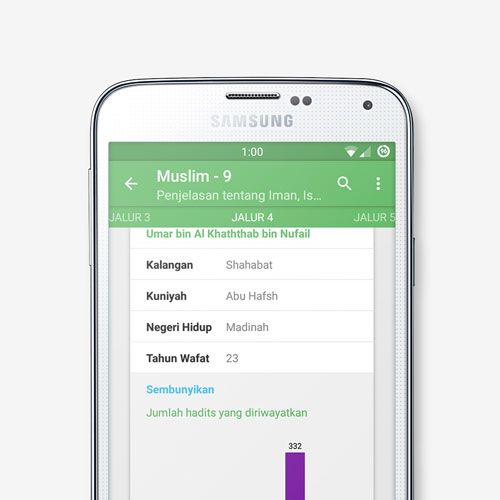
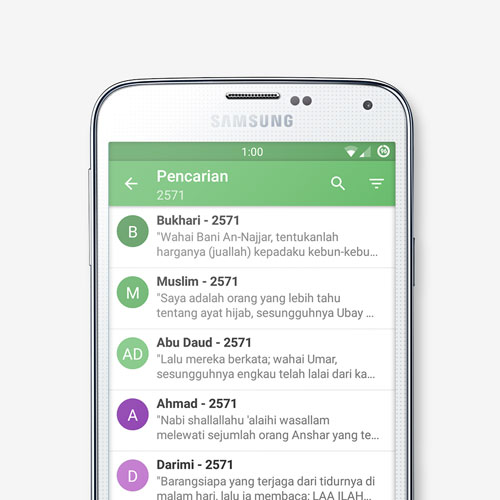
Gratis akses 62.000+ hadits dari 9 kitab hadits populer
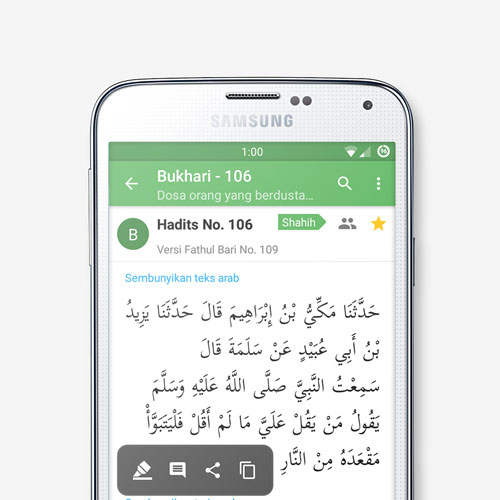
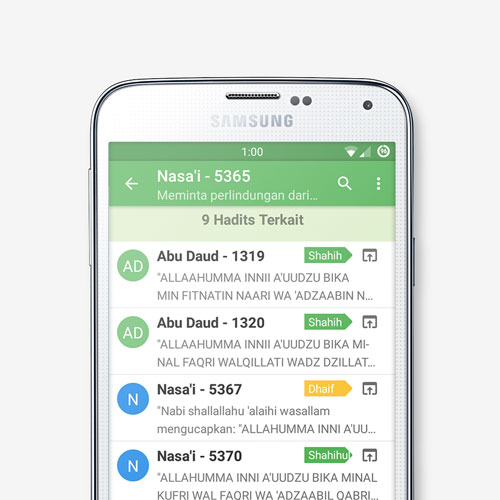
Cek terlebih dahulu kesahihan hadits yang kita dapat
Ada broadcast hadits tiap harinya yang siap diamalkan
Ratusan poster hadits siap sebar dan terus diupdate

Bukan berarti tanpa dana besar lantas app Islam boleh kalah kan? Belasan tahun sudah app ini dibangun serius layaknya app besar, Alhamdulillah karena bantuan Allah kemudian dukungan user.

In recent years, Gencebay's music has experienced a resurgence in popularity, with many young artists citing him as an inspiration. His songs have been featured in various Turkish films, TV shows, and commercials, introducing his music to a new audience.
: While critics use this term, Gencebay often rejects it, feeling it doesn't capture the technical complexity of his work. Global Fusion
He didn't just play the saz. He made it speak.
This is Orhan Gencebay: The Architect of "Arabesque" and Turkey’s Musical Icon this is orhan gencebay
Today, Orhan Gencebay is affectionately known to millions as (Father Orhan). His impact on Turkish music is institutional:
If you listen to a random pop song today, you have the verse, the chorus, and a drop. An Orhan Gencebay song is a symphony of suffering . It is a 7-minute journey with no repeated sections. It has multiple key changes, spoken-word monologues, and a bağlama solo that sounds like a man crying.
Gencebay’s early education was strictly classical. He studied Turkish folk music under regional masters and deeply immersed himself in Western classical compositions. By his teenage years, he was teaching music, playing in local assemblies, and mastering the technical intricacies of stringed instruments. In recent years, Gencebay's music has experienced a
In the 1960s, Gencebay moved to Istanbul, the cultural heart of Turkey. He initially found work as a session musician and producer for the Turkish Radio and Television Corporation (TRT) and various prominent record labels. His unmatched skill on the bağlama quickly made him the most sought-after instrumentalist in the country, backing legendary vocalists of the era. The Birth of a Revolution: Breaking the TRT Monopolies
This eclectic training is the key to understanding Gencebay. He was not merely a folk singer who became famous; he was a conservatory-trained intellectual of music who could seamlessly move from the microtonal nuances of a ney flute to the chord progressions of a piano, mastering over a dozen instruments including the sitar, oud, bouzouki, and cümbüş.
He once said: "If you listen to my songs and feel happy, you missed the point. If you listen and feel sorrow, you are halfway there. If you listen and feel a strange sense of peace— that is where I live." Global Fusion He didn't just play the saz
This is Orhan Gencebay: The Architect of Modern Turkish Music
Explain the between him and other Arabesque icons like Müslüm Gürses or İbrahim Tatlıses. AI responses may include mistakes. Learn more Share public link
Born on August 4, 1944, in the Black Sea port city of Samsun, Orhan Gencebay was a musical prodigy from the start. He began his musical education at the tender age of six, learning the violin and mandolin. However, his true musical awakening occurred when he picked up the bağlama (the traditional Turkish stringed lute).
Imam Bukhari korbankan ratusan KM demi 1 hadits. Kita cukup ratusan MB untuk 62.000+ hadits.
Smartphone, Tablet

iPhone, iPad

Laptop, PC

Pakai versi PRO untuk mendukung perjuangan ini. Terdapat banyak fitur menarik khusus PRO.
Ini cara menggunakan PRO dan ikut dukung proyek ini:
Apa yang didapat pengguna PRO?