
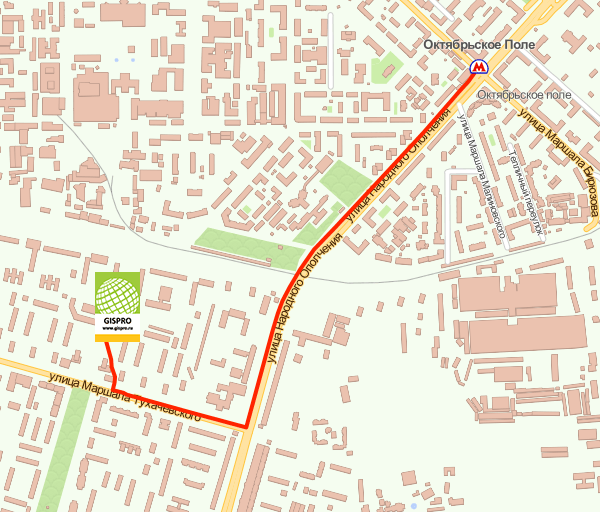
Москва, Игарский проезд, д. 2, офис 314
схема проезда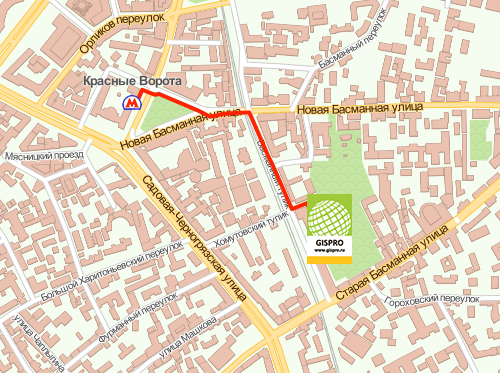
тел. (495) 639-80-82
ИНН: 7703741816
КПП: 771601001
Perhaps the most profound link between lies in diagnosis. Behavioral changes are often the first clinical sign of an underlying organic disease. A veterinarian trained in behavior knows that "naughty" is rarely just "naughty."
Decoding the Animal Mind: The Vital Convergence of Animal Behavior and Veterinary Science
Integrating behavioral principles allows veterinary teams to:
Veterinary medicine has evolved far beyond treating physical injuries and biological illnesses. Today, the integration of animal behavior and veterinary science represents one of the most critical advancements in modern pet care and livestock management. Understanding why an animal acts a certain way is no longer viewed as a separate discipline; it is an essential diagnostic tool that directly impacts medical outcomes, patient welfare, and the human-animal bond. 1. The Historical Divide and Modern Convergence www.zoophilia.tv sex animal an
A common sign of systemic illness, infection, or chronic pain. 3. Resolving Behavioral Pathologies
A visit to the veterinary clinic can be highly stressful for animals. Fear, anxiety, and stress (FAS) can alter physiological parameters, such as elevating heart rate, blood pressure, and blood glucose levels. These spikes can mask underlying medical issues or lead to misdiagnoses.
: For zoo animals and pets alike, "naturalistic feeding behavior" (making them work a little for their food) is crucial for mental stimulation and reducing stress [6]. 3. The Future of Care: Tech and Compassion Perhaps the most profound link between lies in diagnosis
House-soiling in cats can be a behavioral response to stress, but it is just as often the primary symptom of feline lower urinary tract disease (FLUTD) or kidney issues.
Unlike traditional dog trainers, veterinary behaviorists can look at the complete picture. They possess the legal authority to prescribe behavioral medications and the medical knowledge to rule out organic diseases mimicking behavioral pathologies. Conditions Managed by Behaviorists
Veterinary science has long excelled at treating broken bones and infections. But the integration of has given rise to a formal subspecialty: Veterinary Behavioral Medicine (recognized by the American College of Veterinary Behaviorists). Today, the integration of animal behavior and veterinary
These tools do not replace the veterinarian or behaviorist; they augment their perception, providing objective data to support clinical judgment.
For decades, veterinary medicine and animal behavior operated in silos. Veterinarians focused almost exclusively on the physiology, pathology, and surgery of the animal. Meanwhile, behaviorists and trainers handled obedience, aggression, and psychological conditioning.
Москва, Игарский проезд, д. 2, офис 314
схема проездател. (495) 639-80-82
ИНН: 7703741816
КПП: 771601001